

How to Write Memoir Using Lists
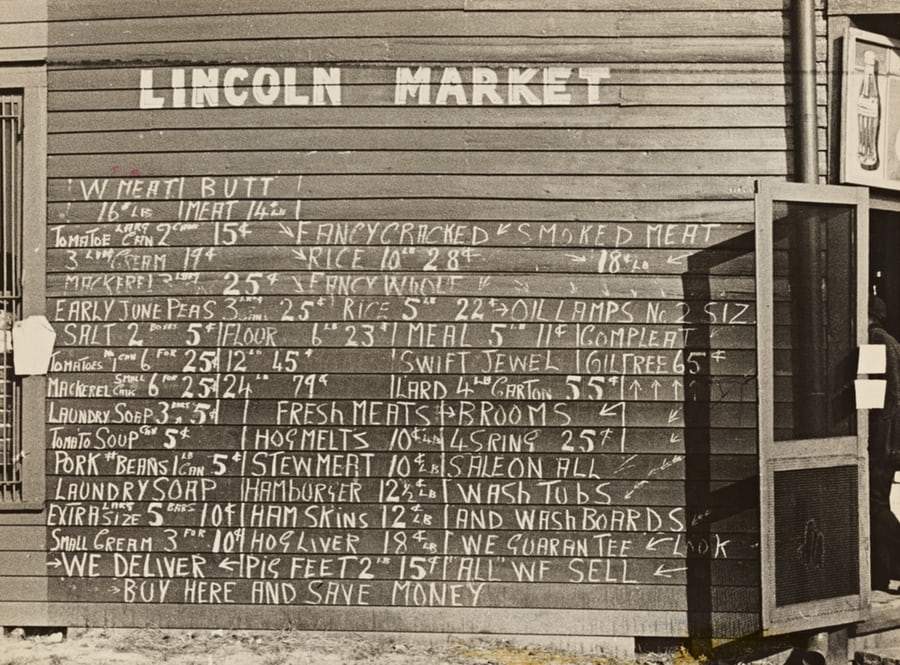
One of my favorite topics to discuss and teach is how to write memoir using lists. Whenever I suggest a list to one of my students or clients, it is inevitably met with skepticism. And yet lists convey so much with so little. Consider the list of what you took when you left. That’s right: When you left. We’ve all left something , somewhere or someone. What did you plan to take and what did you pocket at the last minute as you swept out? Write those down.
How about that list of what you did not say when someone else left, or perhaps what you wish you did say the last time you saw someone? How would those read? And what might they convey that is simply overstated with any more than the barest of copy? Consider the list.
Then consider the writing process that went into Joan Wickersham’s brilliant memoir, The Suicide Index: Putting My Father’s Death in Order. That very word, “order,” in the title tells you what was at stake for her as much as the word “index” conveys her process. Don’t know the book? Have a read and witness how the stately structure of the index allows her to turn the mystery of his life into a future she can live. And listen to me interview Joan Wickersham here on The Qwerty Podcast.
The writers I work with are all too familiar with my margin notes that include exhortations to them to “loosen up,” “relax” and “enjoy the writing more.” This is one method of doing so. All too often the very topic at hand freezes the writer on the page, something that no reader wants to witness. Instead, try something daring. Write the ingredients that went into your bad husband as a recipe card for disaster. Try indexing your feelings and researching each one via some diagnostic manual. Oh, and after you are done with lists, think about mental maps and other such visuals that could lend themselves to memoir.
But let’s start here: Give me a list, or even an item that you took when you left. If you’d like to see my very favorite list ever, please read it here. But let’s list.
Great reminder post, Marion!
I also love and use lists. I wish I could find the list my husband and I made 40 years ago as a marriage contract. Darn it.
Some years back, I wanted to write about my memories of my mother, so I started with a bulleted list because I was finding it difficult to dredge up sufficient memories. We shared a house for only 18 years until I escaped to college, and for many of those years, I don’t think I was paying attention. So, I created a bulleted list of things I remembered, and then shared it with my brother to see if he thought our memories were close. They were! He made a few corrections and comments. Then my daughter asked to see the 10-page document. Is 10 pages enough memories of one’s mother?
Well, perhaps you will enjoy reading this — Charles Darwin’s pro-and con-marriage list.
I did read that! Then realized he married his cousin. It was written so long ago but eerily seems almost appropriate for now. In some ways.
Great advice! I’ve always been fond of lists, ie when writing a blog post, but thanks for the reminder to apply this technique to my memoir.
Dear Kerstin,
You are most welcome.
So glad you like the device.
Please come back soon.
Best,
Marion
When I left my ex, I took:
-my pride
-the love I’d fake too long
-the Wedgewood china I loved
-the best linens
Yes
Oh yes.
Yes, indeed.
I love the list concept, I tried it. But before that I thought I would try a poem to get to the core of my argument:
There once was a woman named Christine
who thought she was awfully keen
On finding her place in the whole human race
And to know she had finally been seen
She started a DNA story to shed light and allegory
It opened her heart, this brand new start at finding God and his glory
Searching her soul and new addresses, she found what her mind had long sensed
That home is the place, in the whole human race,
where your hear mind and soul are one.
So how to tell this grand story, of God and his glory
Of coming home to herself and how the world melts into the
Cosmic soup we all love?
This was fun…. list-making:
List of what I took to college in 1969 in Florida:
1. Red plaid footlocker
2. Electric typewriter with manual carriage return
3. Portable record player/radio combo
4. Alarm clock
5. Desk lamp
6. Record collection
7. Guitar
8. Songbooks
9. Singer Featherweight sewing machine
10. Shorts
11. Tee-shirts
12. Flip-flops
13. Sneakers
14. Sweatshirt
15. Bikini bathing suit
16. Bicycle
17. Virginity
18. Photograph of me in my high school prom dress
19. Instamatic camera
20. Journal notebook
Number 17.
Oh my. Nicely done.